







aboutsightingstips and tricksaccessoriesphotoserrataforagingcontact


Here is a collection of free patterns to download and enjoy!

. . . . . . . . . . . . . . . . . . . . . . . . . . . . . . . . . . . . . . . . . . . . . . . . . . . . . . . . . . . . . . . . . . .


Patterns, etc.

Knitspeak Slipcase, a Felted Book Cover

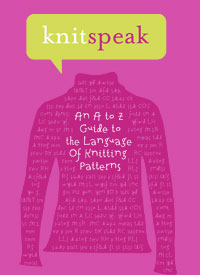
Download the Pattern for the Slipcover (PDF)Knitspeak should be in every knitting bag, at the ready in case of confusion.  Here is a pattern for a protective felted case to keep the little pink book from getting dog-eared.

The pattern is written in Knitspeak, that is, with abbreviations, and then translated into English with notes and explanations on the side.

Download the Knitspeak Slipcase Pattern (PDF).


Yarn Weight Equivalents

Yarn weights and gauges are given in Knitspeak on Pages 202 and 203, but there is a measure that was not included in the book that is used by spinners and weavers, and moDownload the chart of Yarn Weight Equivalentsre lately, on the Ravelry.com site to measure yarn thickness so yarns can more easily be compared. That measurement is Wraps Per Inch, or WPI. As far as I know, there is no standard (yet) for WPI equivalents to the yarn weights as defined by the Craft Yarn Council of America, so I’ve included information from a few different sources so you can decide which will meet your needs.

To get wraps per inch, wind yarn around a pencil, dowel, or ruler so that the wraps lay next to each other -- but not so tightly that the yarn is stretched. Count the number of wraps around the pencil in one inch (count the number of wraps in two inches and divide by two for a more accurate reading). Mark off inches (or cm) on the edge of your copy of the pattern so that you don’t need to haul a ruler or tape measure around all over the place.

Download the chart of Yarn Weight Equivalents (PDF).